
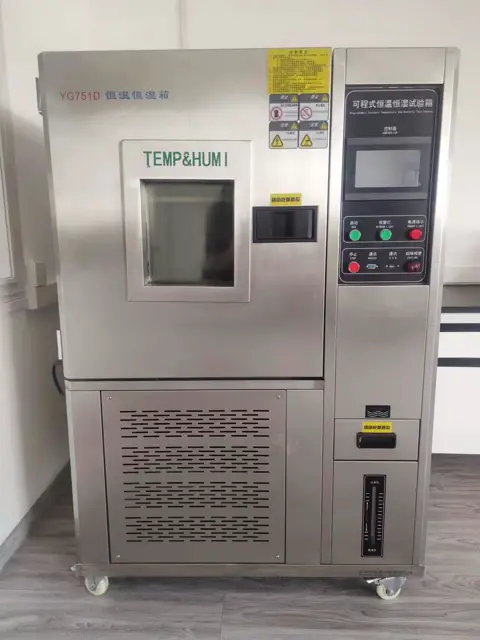
Programmable Climate Chamber
Simulates high temperature, low temperature, humidity and dry conditions.
Testing and quality
Two professional testing laboratories support fabric development, on-site inspection, production coordination and review of agreed lot tests.
Discuss testing requirements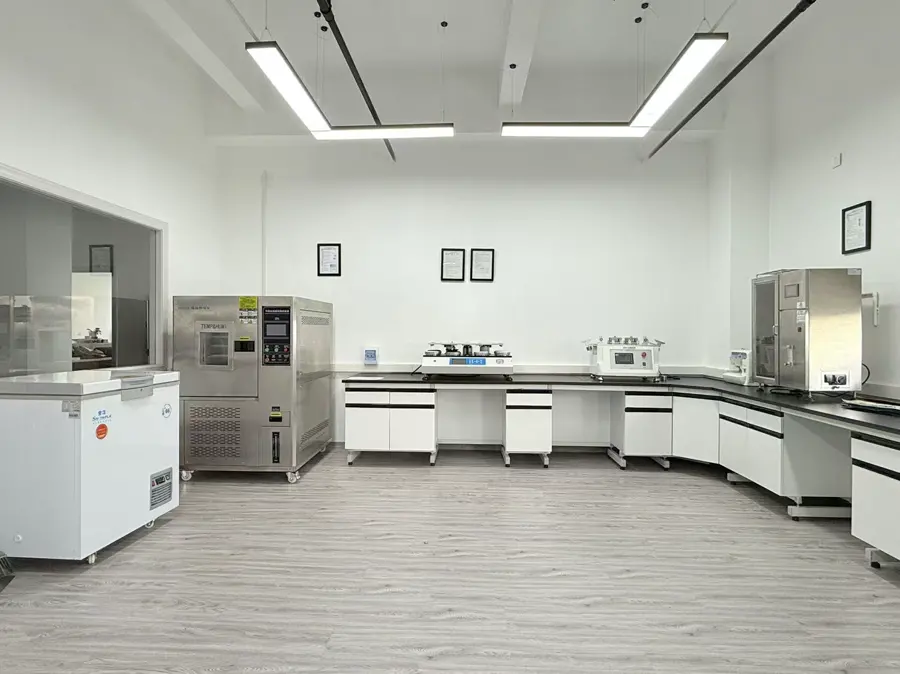
Test capability
The laboratory equipment supports more than 15 physical fabric tests.
Laboratory equipment
Simulates high temperature, low temperature, humidity and dry conditions.
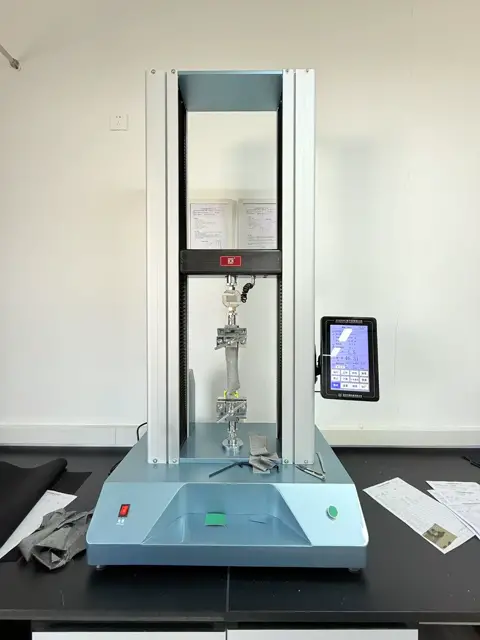
Tests tensile, breaking, tearing and bursting strength.
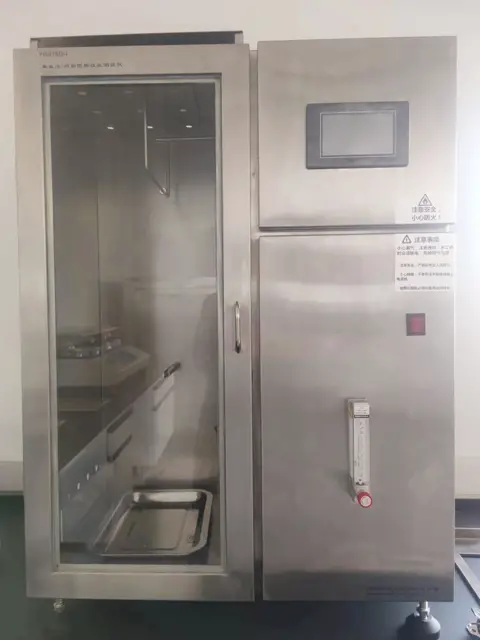
Evaluates flame-retardant performance under controlled ignition conditions.
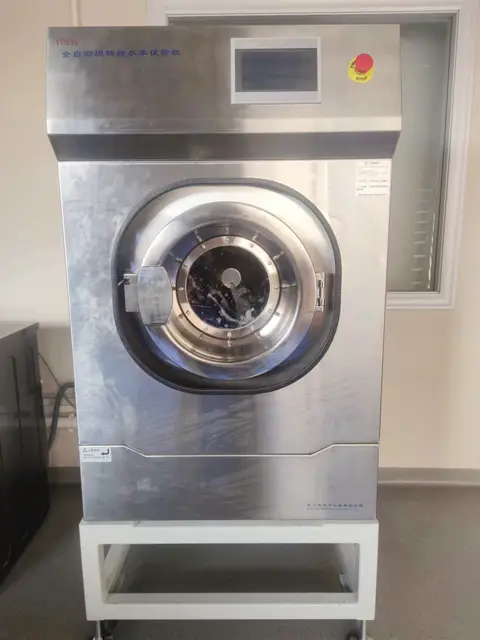
Reviews dimensional change after washing.
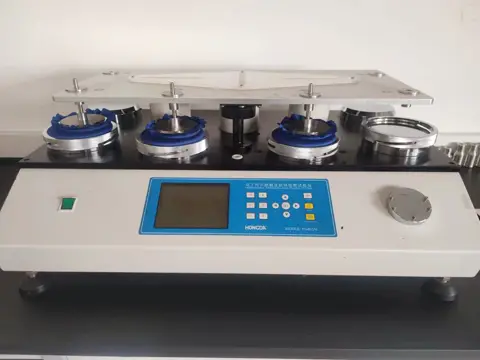
Evaluates wear resistance and pilling performance.
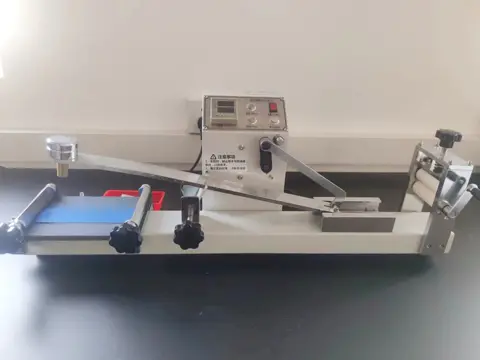
Checks color transfer under dry and wet friction.
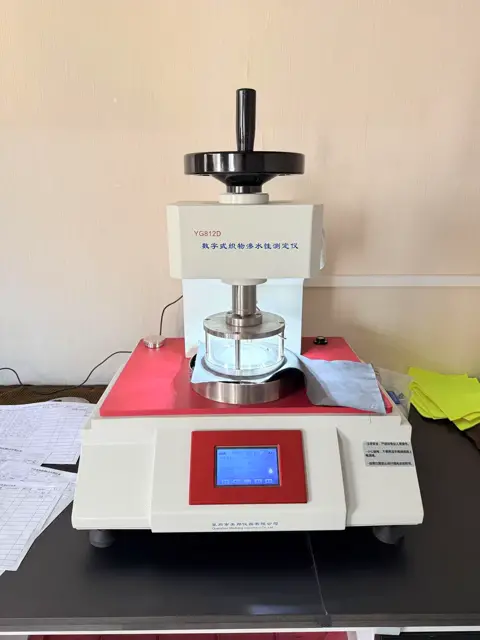
Measures water-pressure resistance for waterproof fabrics.
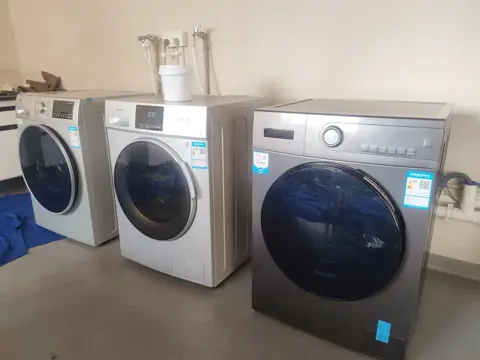
Supports wash durability, shrinkage and bonded-fabric review.
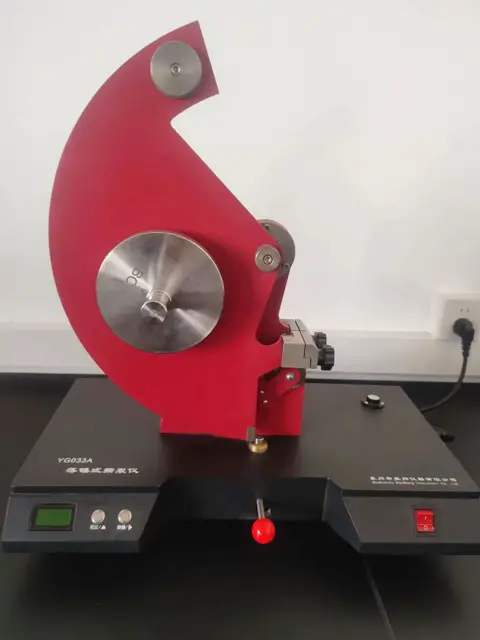
Measures tear strength using the pendulum method.
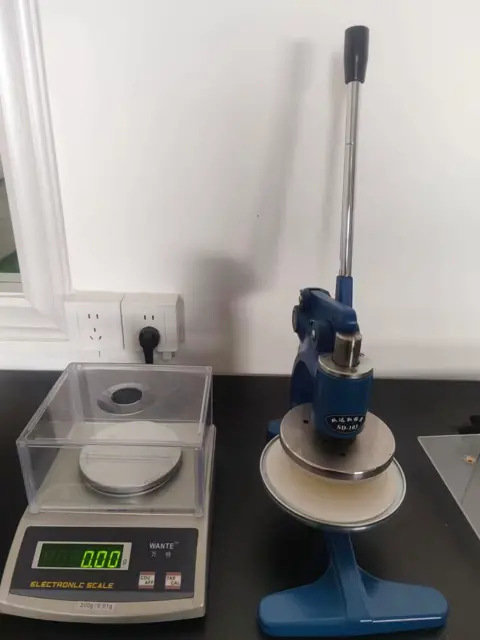
Measures fabric weight per square meter.
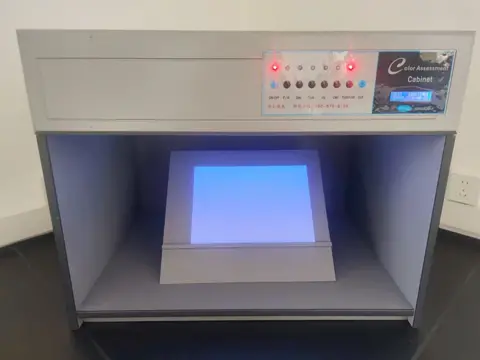
Simulates D65, TL84 and UV lighting for color comparison.
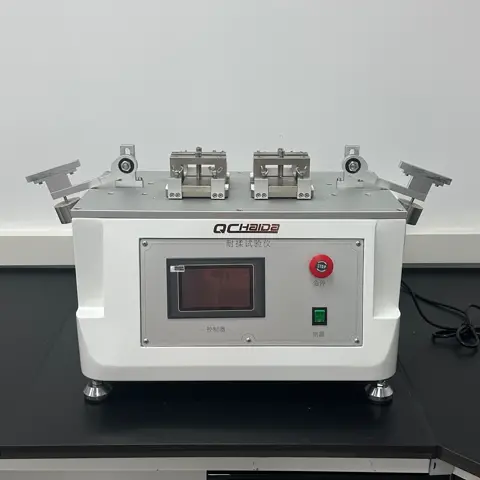
Evaluates durability under repeated rubbing and folding.
Quality process
End use, test methods, quantities and target market.
Identify an existing construction or a development route.
Review finish, hand feel, shade and the agreed test plan.
Coordinate production and check quality at the agreed stages.
Review lot results and relevant records before release.
Record the construction, face and back, end use and target performance before sampling.
Specify the method, test face, conditions and threshold for each critical property.
Request applicable inspection and test records against the approved specification.